Press Release
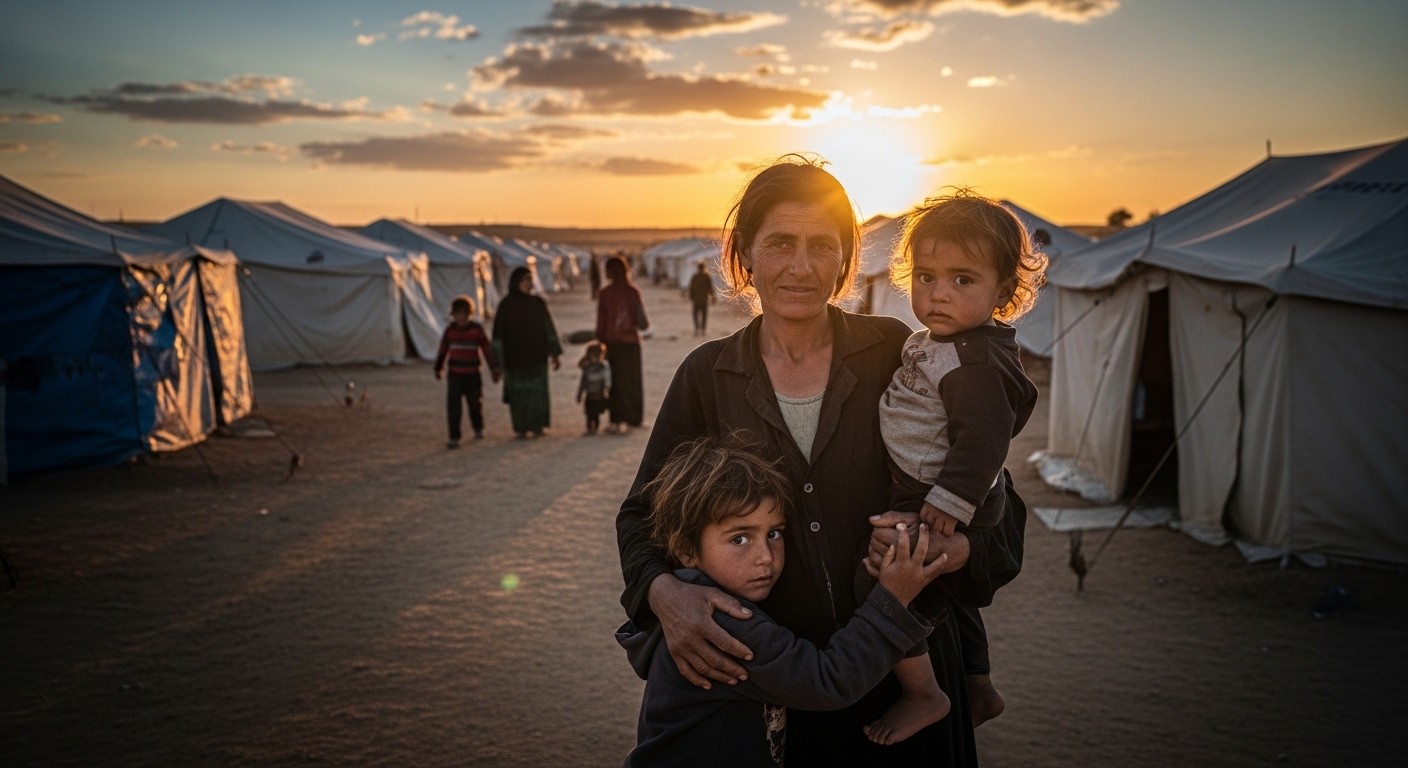
As cholera spread rapidly through an overcrowded refugee camp, panic and fear gripped the families living there. Within days, hundreds began experiencing symptoms such as severe dehydration, vomiting, and high fever.
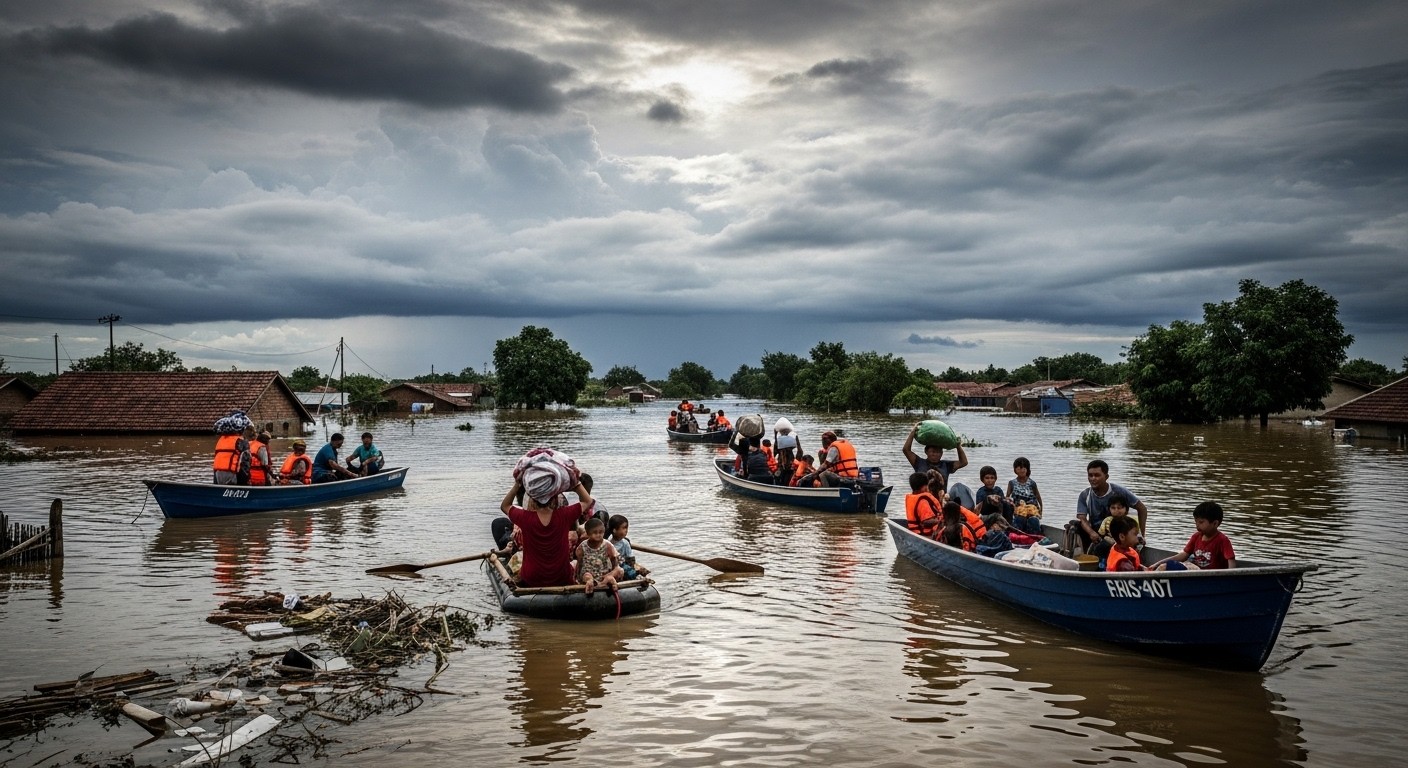
The outbreak began after weeks of heavy rain flooded nearby sanitation systems, contaminating water sources used by thousands of displaced people. With limited access to clean water, the disease spread quickly.
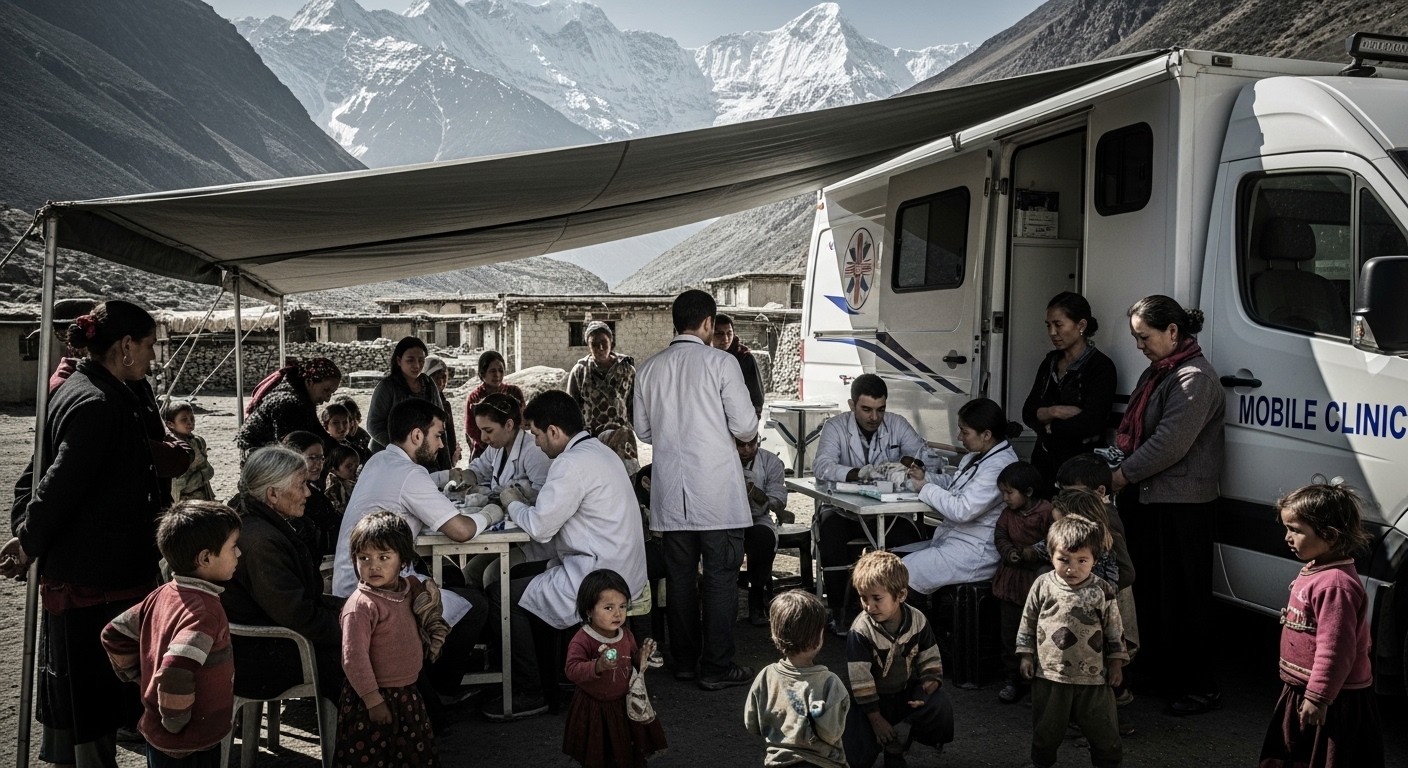
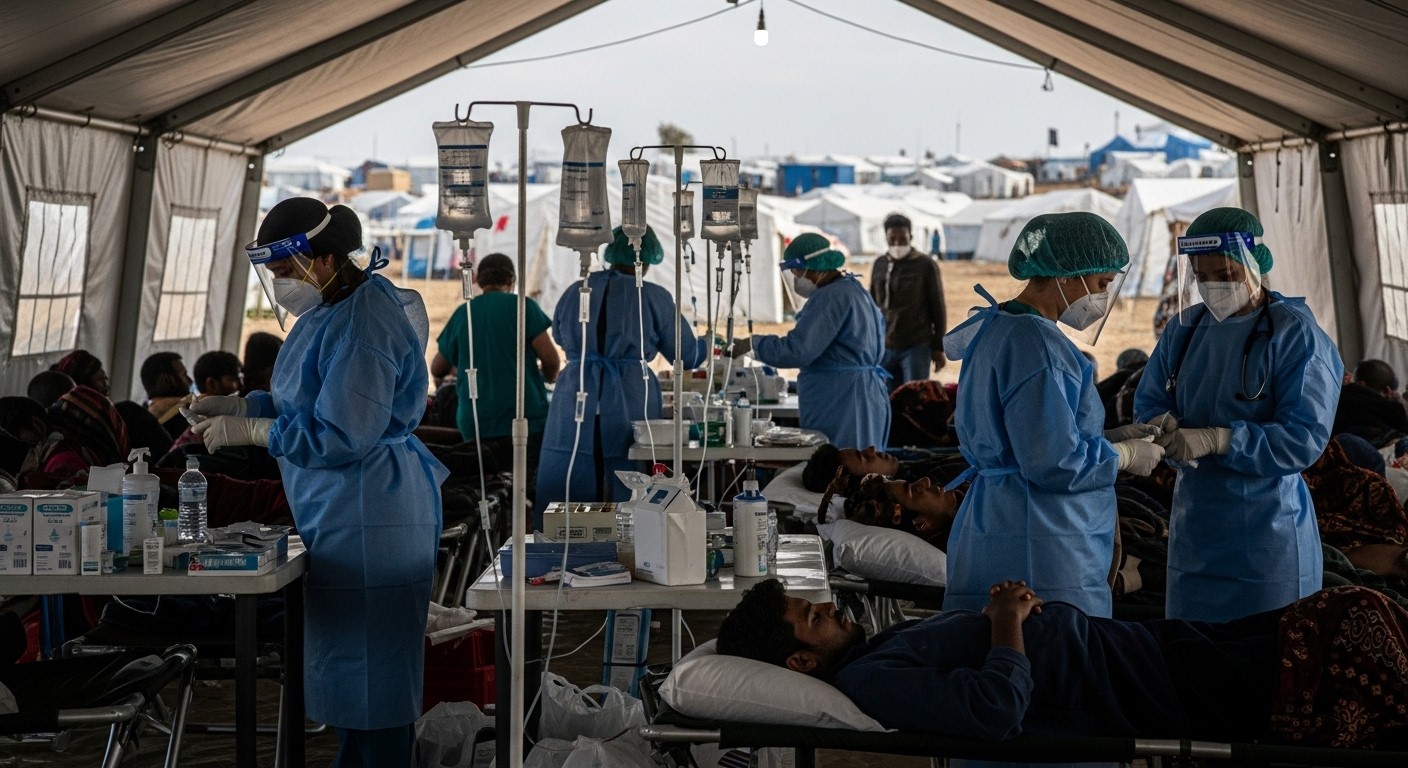
Health workers rushed to establish emergency treatment centers inside the camp. These temporary clinics were equipped with rehydration solutions, antibiotics, and isolation wards to prevent further spread of infection.
Volunteers moved from tent to tent educating families about basic hygiene practices such as handwashing, boiling drinking water, and properly disposing of waste.
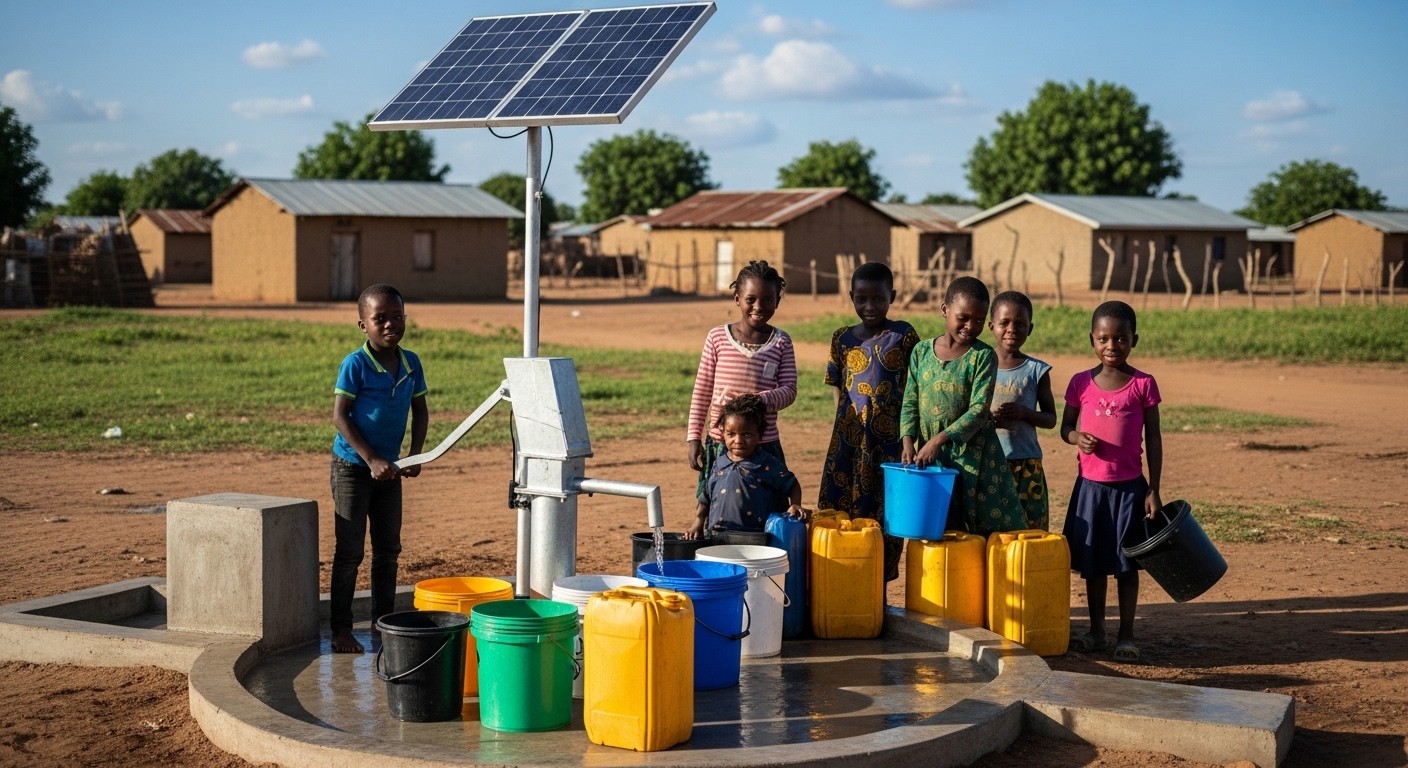
Large water tanks were installed throughout the camp, and purification tablets were distributed to every household. Meanwhile, sanitation teams worked tirelessly to repair damaged latrines and create safe drainage channels to prevent further contamination.
Despite the overwhelming challenge, the community quickly mobilized to support health workers. Youth volunteers helped translate health instructions for families who spoke different languages, while local leaders coordinated efforts to ensure the most vulnerable received immediate care.
After weeks of coordinated action, the number of new infections began to decline. Health workers believe the worst of the outbreak has now passed, though monitoring and prevention efforts remain ongoing.
For many families in the camp, the experience served as a powerful reminder of how quickly disease can spread in vulnerable communities — and how critical access to clean water and healthcare truly is.