Press Release
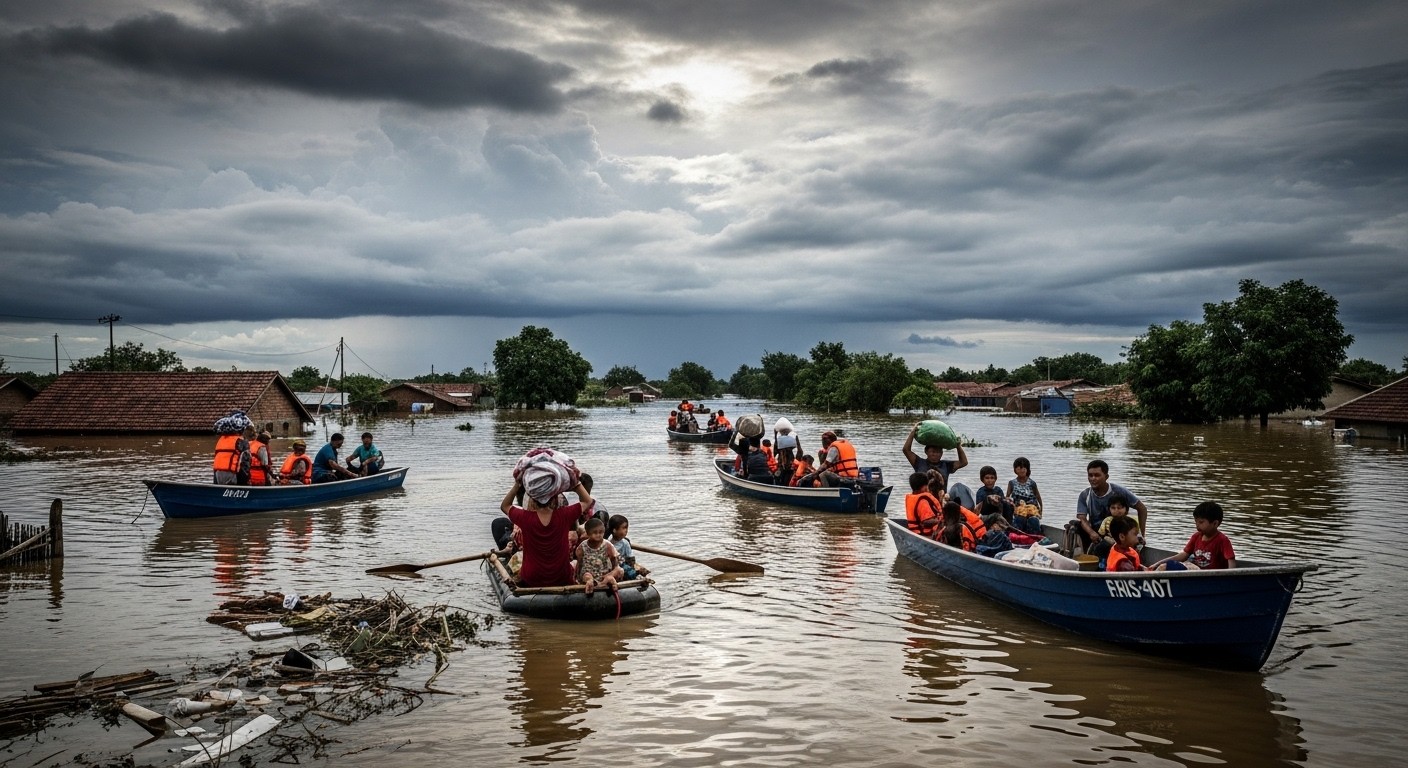
When devastating floods swept through southern Malawi, entire villages were submerged within hours. Torrential rains caused rivers to overflow, washing away homes, farms, and critical infrastructure.
Thousands of families were forced to flee to higher ground, carrying only what they could manage in the chaos. For many, the floodwaters destroyed years of hard work — crops that provided both food and income disappeared beneath the muddy water.
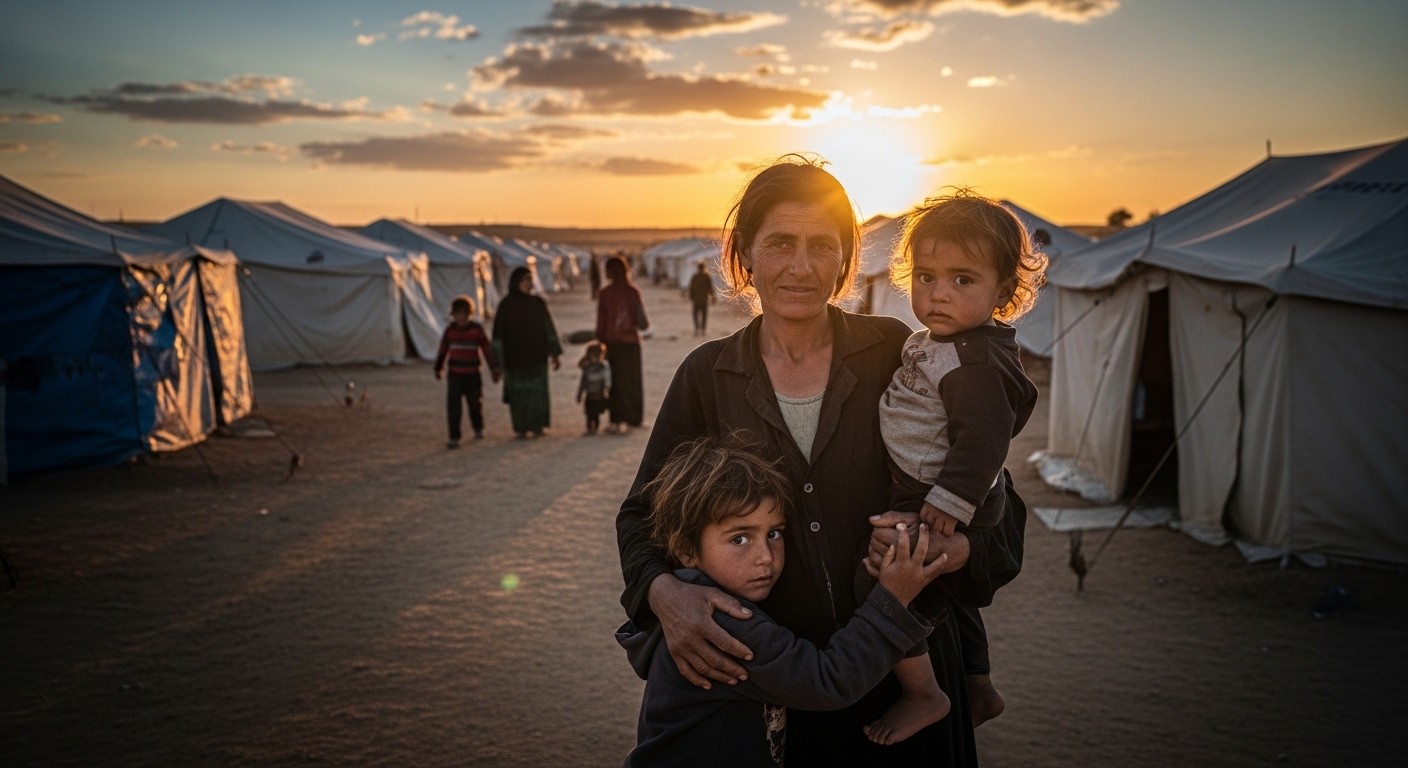
Emergency response teams quickly arrived to provide assistance to affected communities. Boats were deployed to rescue stranded families, while temporary shelters were constructed to house those who had lost everything.
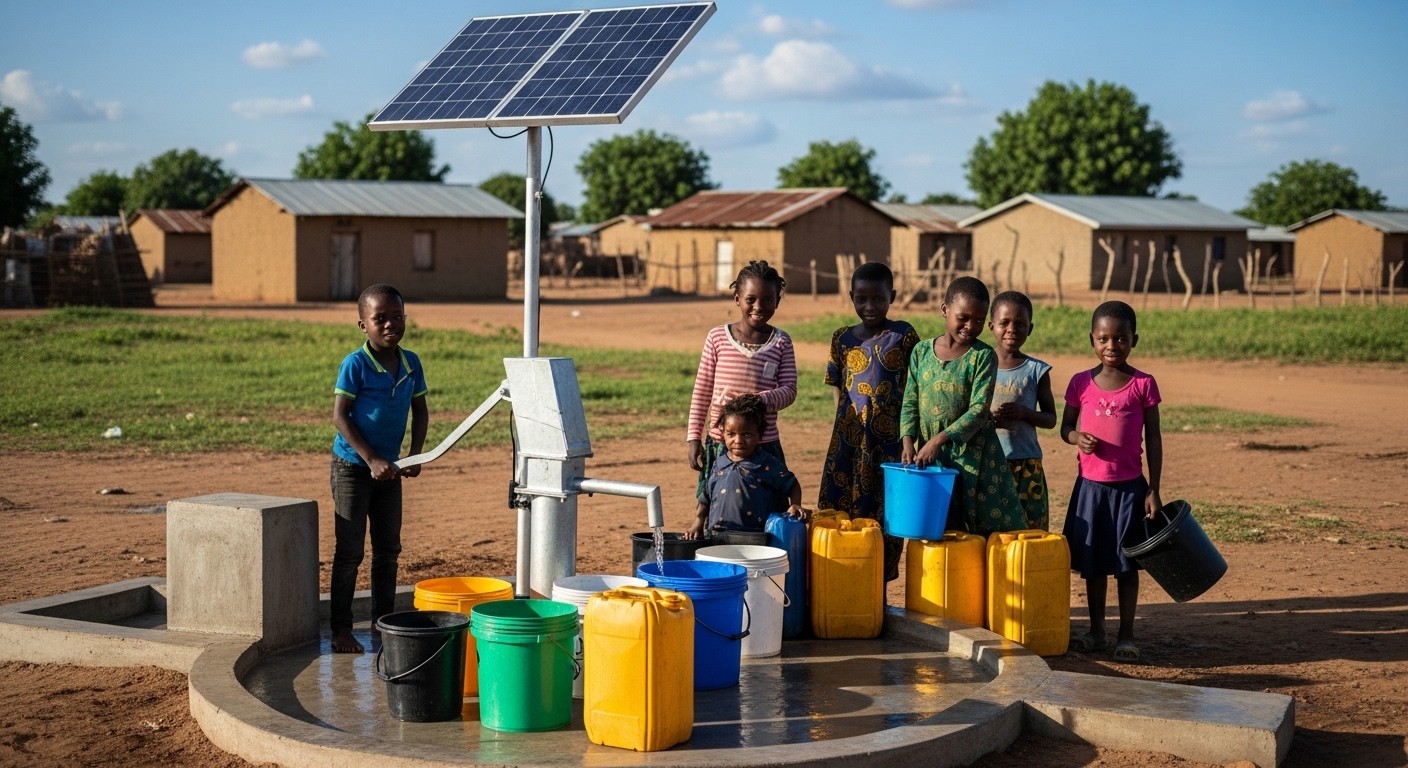
Food distribution centers were established to provide emergency rations such as rice, beans, and cooking oil. Clean drinking water was also delivered to prevent the spread of waterborne diseases that often follow natural disasters.
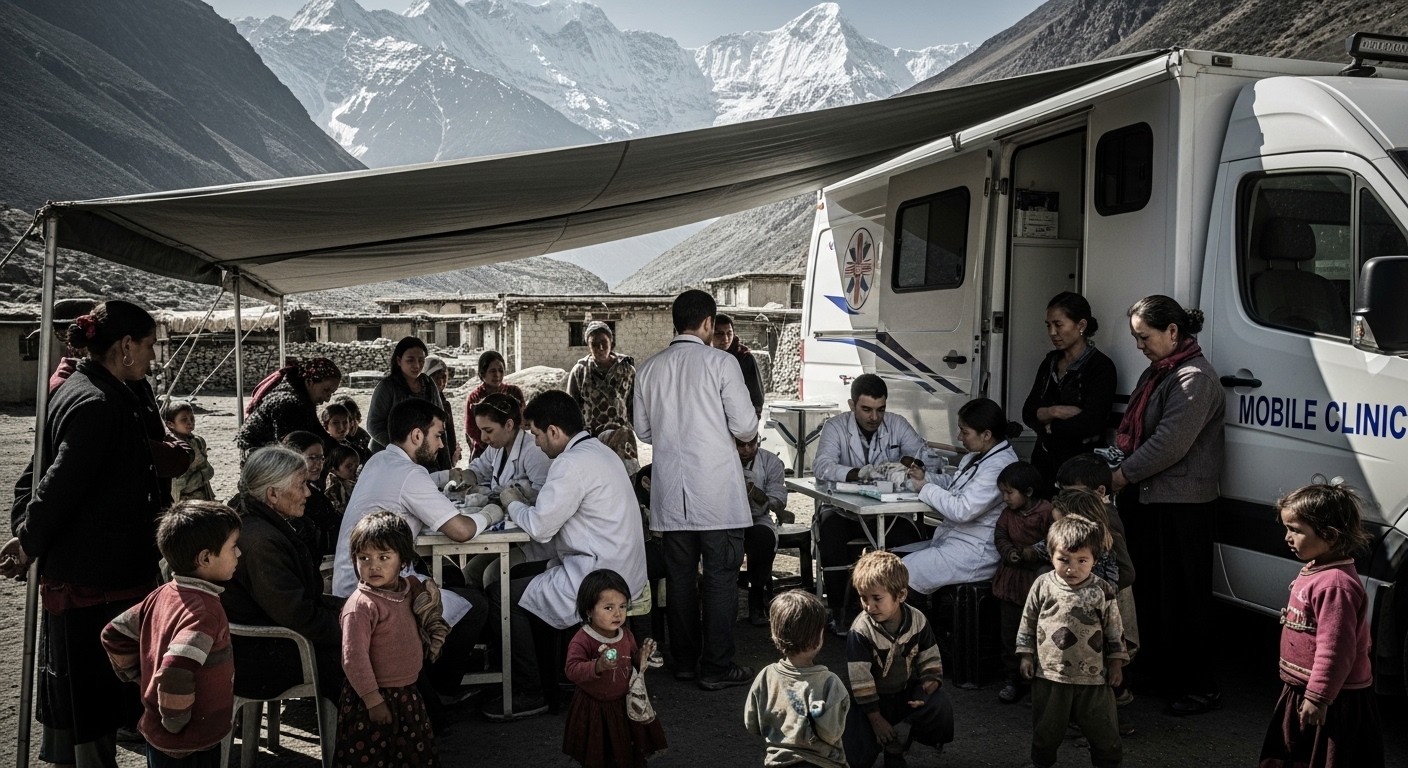
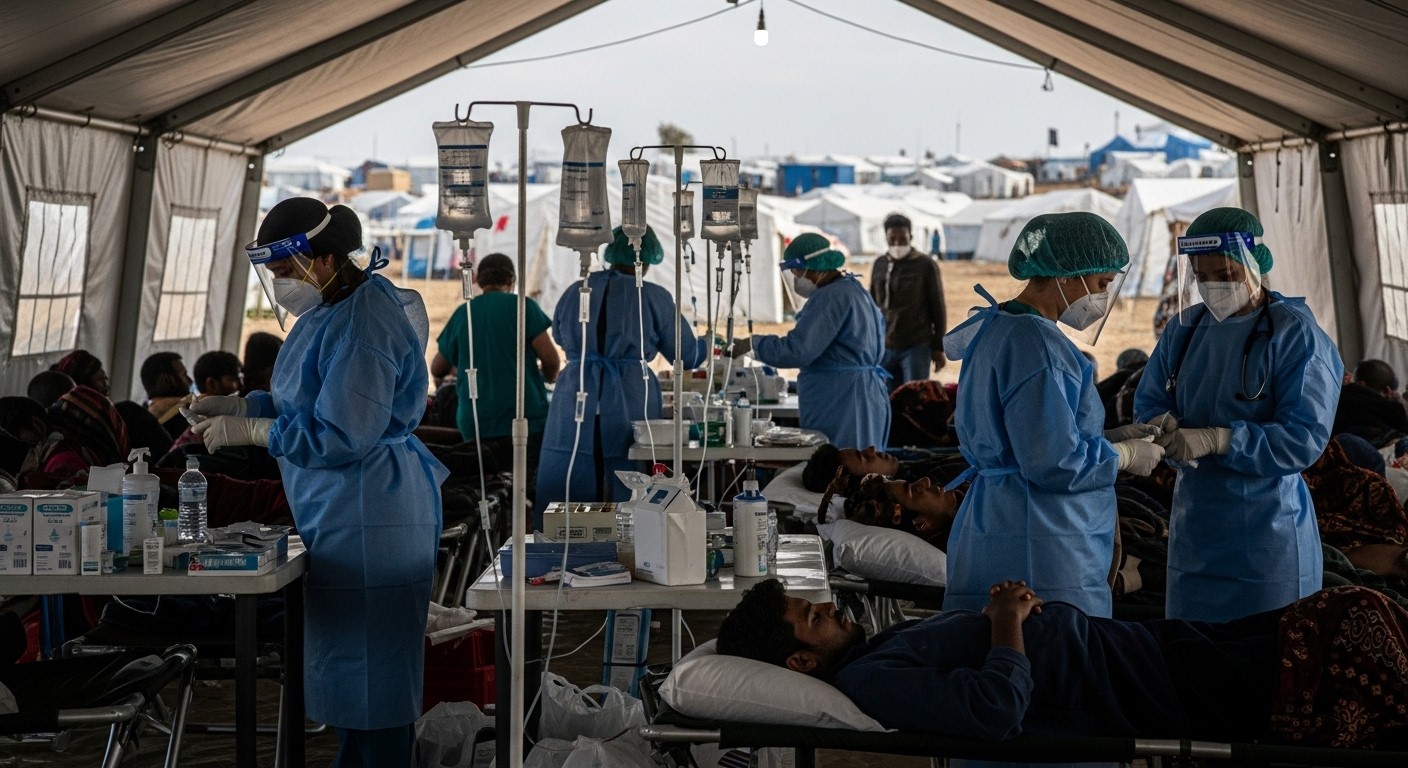
Medical teams conducted health screenings, particularly focusing on children and the elderly who are most vulnerable during emergencies.
Despite the destruction, the resilience of the Malawian communities quickly became evident. Neighbors helped rebuild damaged homes, shared food with those who had lost their harvests, and worked together to clear debris from roads and farmland.
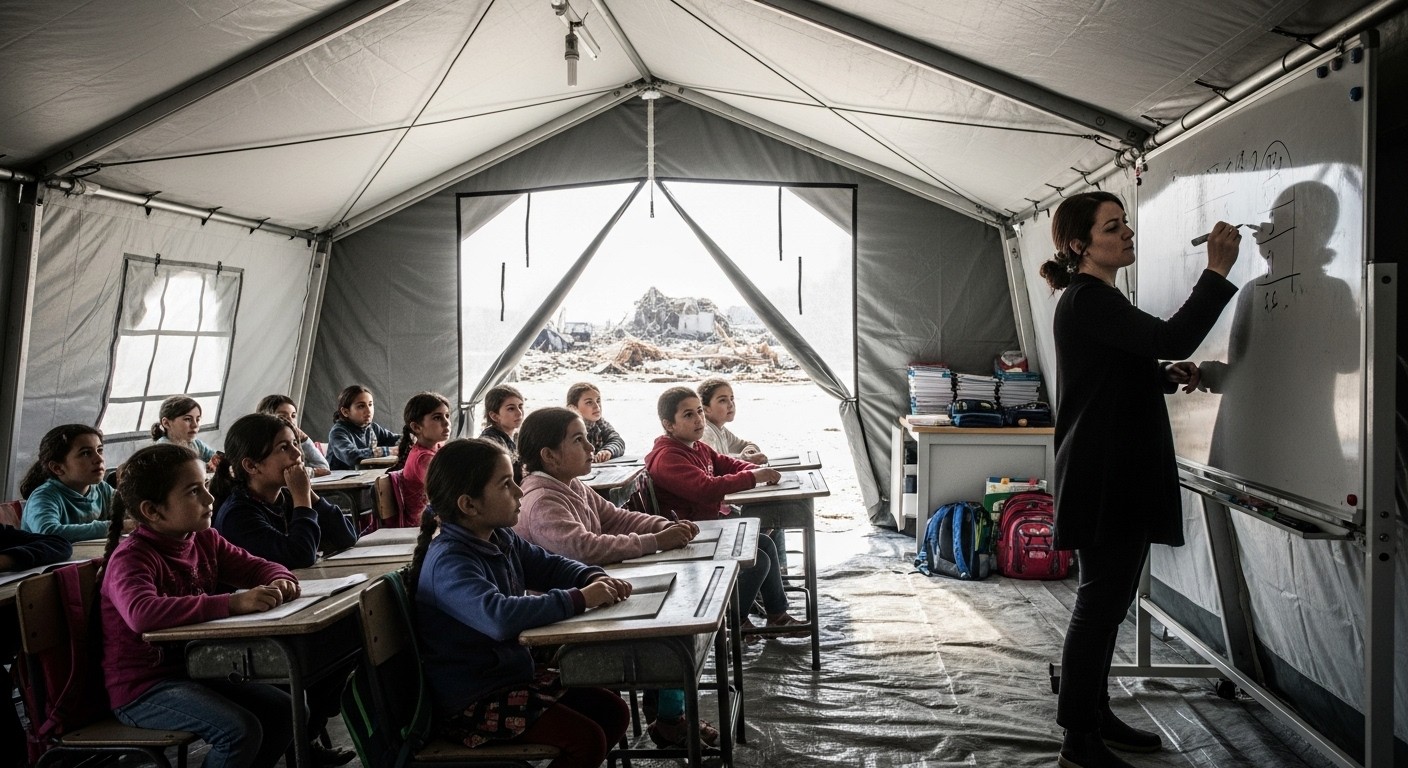
Local authorities and humanitarian groups are now working on long-term recovery efforts, including rebuilding schools, restoring irrigation systems, and supporting farmers with new seeds and tools.
For many residents, recovery will take months — possibly years — but the spirit of unity and determination continues to guide them forward.